google, fast deployments, and the stepping stone in the race to be the first
With the emphasis on AGILE methodologies as the most viable means of software development, the need for fast deployments and the lowest possible time-to-market is a major cause of concern for many growing businesses. However, as Michal Kristofik points out, when the focus is solely on speed, the solution might be built on compromises [1]. Michal talks about scalability, security, and compliance concerns. The point he doesn't drive home is that sometimes these compromises may have a darker causality than a company would like to have on its conscience.

Figure 1: The Shared Slice, Source: linuxfr.org
Industry experts, also known as redditors, have often suggested Google Workspace to projects with small teams, as it has some of the best pricing-to-tool ratio available in the market, all thanks to the economy of scale and the paranoia instilled amongst developers against non-mainstream hosting and server management, quite to the contrary of real-world results of the crash loop of June 2025 [2]. Having a shared slice of pie is better than baking one's own until that shared slice is clogged up with hundreds of thousands of people attempting to train their CNN binary classifier models [3].
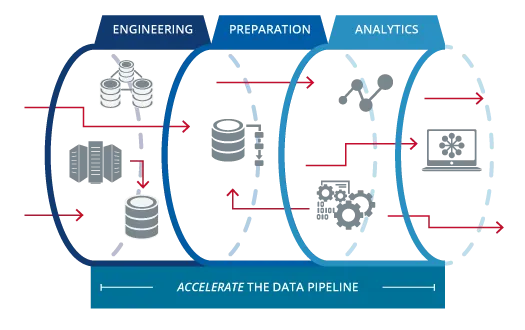
Figure 2: Pipeline Visualization, Source: medium.com
To their credit, Google has managed to provide cost-effective means of fast and less costly deployments of technical sections of any growing enterprise. There are several features that contribute to it; namely, their parallel and canary deployment models, pipeline visualization [4], and systems that are easy to navigate and SSH into. In a world where getting a product to the market first is a bigger priority than social responsibility, this helps these small and medium enterprises scale into something larger and have a stake in the system of global industry and trade.
However, companies looking for ethical sourcing for their tech stack might not find value working with the abettors of the genocide in Gaza (see, UN report on Project Nimbus [5]) or a company with such a lack of transparency regarding their clients' environmental impact [6].